SpaceX Updates: IPO, Starlink, Starship
What Traders Should Know
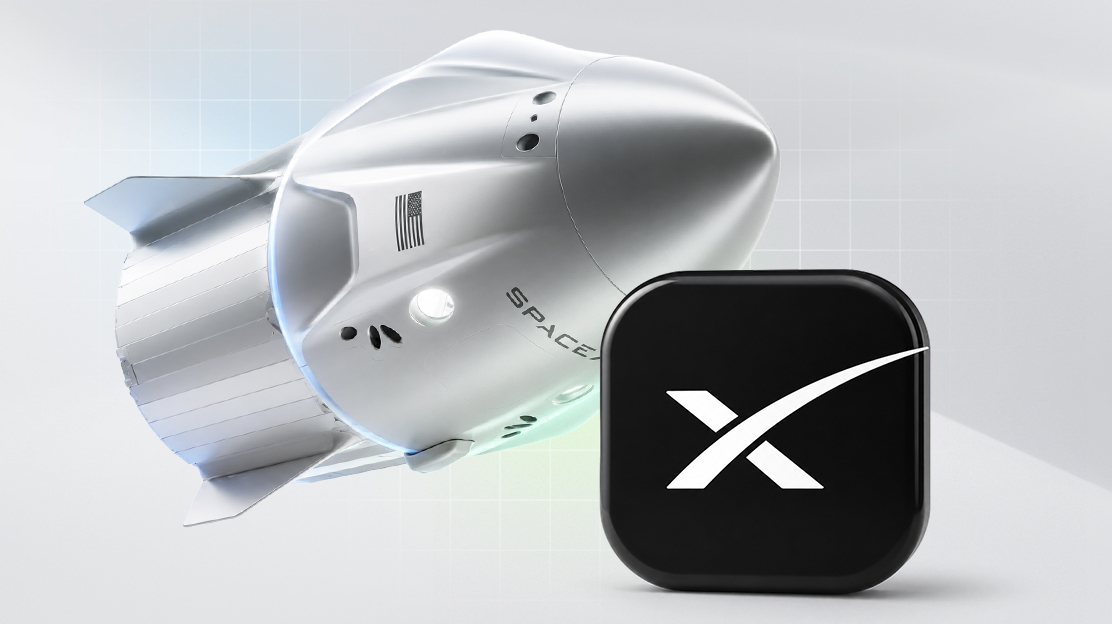
SpaceX Updates So Far: What Traders Should Know
Few companies have captured the world's attention quite like SpaceX. Founded by Elon Musk with the ambitious goal of making life multiplanetary, the company has evolved from a disruptive aerospace startup into one of the most influential technology businesses on the planet. In 2026, SpaceX reached another major milestone, entering the public markets and opening a new chapter not only for the company but also for investors and traders worldwide.
Today, SpaceX sits at the intersection of several high-growth industries, including aerospace, satellite communications, internet connectivity, artificial intelligence, and advanced manufacturing. As a result, every major development - from rocket launches to Starlink expansion - has the potential to influence market sentiment.
For traders, understanding the latest SpaceX developments is becoming increasingly important as the company continues to shape the future of the global space economy.
SpaceX Goes Public: A Landmark IPO
One of the biggest financial stories of the year was SpaceX's highly anticipated public market debut. The company priced its IPO at $135 per share, offering more than 555 million Class A shares to investors. The offering raised approximately $75 billion and valued the company at around $1.77 trillion, making it one of the largest IPOs in market history.
The launch attracted significant investor interest, reflecting confidence in SpaceX's long-term growth potential. Unlike many traditional public companies, SpaceX operates across multiple sectors. Its business includes commercial rocket launches, satellite internet services, government contracts, defense-related projects, and long-term space exploration initiatives.
This diversified business model has helped position SpaceX as more than just an aerospace company. Investors view it as a technology leader with exposure to several emerging industries, creating both opportunities and risks for traders.
As a publicly traded company, SpaceX is now likely to react not only to broader market conditions but also to company-specific developments such as launch schedules, Starlink subscriber growth, regulatory decisions, and technological breakthroughs.
Starlink Continues to Drive Growth
While rockets often dominate headlines, Starlink has become one of SpaceX's most important business segments.
The satellite internet network has expanded rapidly over recent years, providing broadband connectivity to millions of users across the globe. By deploying thousands of satellites into low-Earth orbit, SpaceX has created a communications network capable of delivering internet access to remote regions, rural communities, maritime operations, airlines, and businesses.
For many analysts, Starlink represents a critical component of SpaceX's future revenue growth. Unlike launching services, which generate income on a project-by-project basis, Starlink offers recurring subscription revenue that can provide greater financial stability over time.
One of the most closely watched developments is direct-to-device connectivity. SpaceX has been working on technology that could allow standard mobile phones to connect directly to satellites without requiring traditional cellular infrastructure. If successfully implemented on a large scale, this innovation could transform global communications and create significant new revenue opportunities.
For traders, Starlink's expansion remains one of the strongest indicators of SpaceX's long-term commercial potential.
Orbital Data Centers and the Path to a Space Monopoly
SpaceX has filed plans to build a satellite constellation designed to run AI data centers in space. To support this, the company announced an 11-million-square-foot "Gigasat" facility in Texas to manufacture its new "AI1" computing satellites.
The initiative aims to solve Earth's power grid shortages and cooling constraints by moving heavy data workloads into orbit to utilize continuous solar energy.
For traders, this adds an important long-term narrative to the company's valuation:
-
![tick]()
Long-Term Horizon: This is a highly capital-intensive project with significant technical hurdles. Investors must view it as a multi-year investment that could pressure short-term margins before generating returns.
-
![tick]()
Potential Market Monopoly: Because SpaceX owns its launch infrastructure (Falcon 9 and Starship), its deployment costs are a fraction of what tech rivals would face. If successful, SpaceX could establish an impenetrable monopoly, effectively becoming the primary infrastructure landlord for Big Tech hyperscalers.

Starship: The Future of Space Exploration
No discussion about SpaceX would be complete without mentioning Starship, the company's next generation launch system.
Designed to be fully reusable, Starship is intended to transport cargo and passengers to Earth orbit, the Moon, Mars, and potentially beyond. SpaceX believes the vehicle could dramatically reduce the cost of space travel while increasing payload capacity compared to existing launch systems.
Throughout 2026, SpaceX continued testing and refining Starship through a series of development flights and engineering upgrades. Each test represents another step toward achieving the company's long-term vision of routine and affordable space transportation.
The success of Starship could have far-reaching implications. Lower launch costs would strengthen SpaceX's competitive position, accelerate Starlink deployment, support future lunar missions, and potentially unlock entirely new commercial opportunities in space.
However, Starship also represents one of the company's biggest uncertainties. Development of advanced aerospace technology is inherently complex, and setbacks can occur. Delays, technical challenges, or regulatory hurdles could impact investor sentiment and contribute to market volatility.
For traders, Starship remains both a major growth catalyst and a key risk factor.
Falcon 9 Remains the Backbone of Operations
While Starship represents the future, Falcon 9 continues to power SpaceX's present-day success.
The reusable rocket has become one of the most reliable launch vehicles in the industry, supporting commercial satellite deployments, NASA missions, Starlink launches, and national security operations. Its ability to repeatedly reuse boosters has significantly reduced launch costs and helped establish SpaceX as the dominant player in the global launch market.
The company's consistent launch cadence demonstrates operational strength and provides a steady stream of business activity. Every successful mission reinforces SpaceX's reputation for reliability and execution.
For investors and traders, Falcon 9 serves as a reminder that SpaceX's valuation is not based solely on future ambitions. The company already operates a highly successful commercial business with proven technology and a strong track record.
Key Factors Traders Should Watch
As SpaceX enters life as a public company, several factors are likely to influence market performance in the months ahead.
IPO Performance and Valuation
With a valuation exceeding $1.7 trillion, expectations are extremely high. Investors will closely monitor whether SpaceX can justify its premium valuation through continued growth and execution.
Starlink Expansion
Subscriber growth, international expansion, profitability, and direct-to-device services will remain major drivers of investor sentiment.
Starship Development
Successful test flights and technological milestones could strengthen confidence in SpaceX's long-term vision, while setbacks may create short-term volatility.
Launch Activity
A strong launch schedule supported by Falcon 9 and Starlink deployments can reinforce confidence in the company's operational capabilities.
Regulatory Environment
SpaceX operates in highly regulated industries, including aerospace, telecommunications, and defense. Regulatory developments could significantly impact future growth plans.
Broader Market Conditions
Like many high-growth technology companies, SpaceX may be sensitive to interest rate expectations, economic conditions, and overall investor appetite for risk.
The Bottom Line
SpaceX has entered a transformative new phase. Its public market debut has brought unprecedented attention from investors, while Starlink, Starship, and Falcon 9 continue to drive innovation across multiple industries.
The company remains uniquely positioned at the center of the rapidly expanding space economy. From satellite communications and internet connectivity to reusable rockets and deep-space exploration, SpaceX is helping define the future of technology and transportation.
At the same time, traders should remain aware of the challenges that come with such ambitious growth plans. High valuations, technological risks, regulatory oversight, and market volatility all have the potential to influence price movements.
As SpaceX continues to make headlines, traders will be watching closely to see whether the company can deliver on its bold vision and maintain its position as one of the world's most innovative businesses.
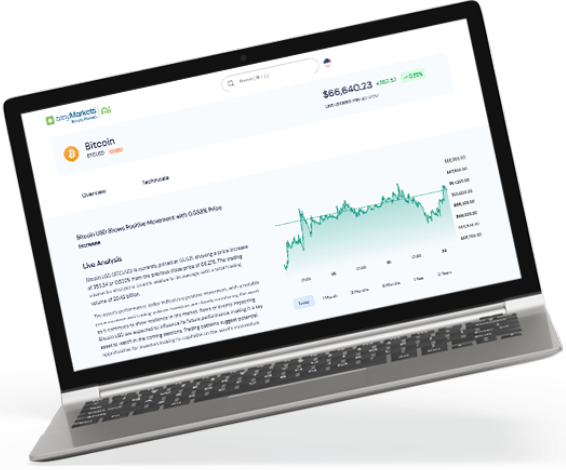
SPX/USD is now available on the easyMarkets website, allowing traders to add it to their watchlist or trade it directly through the easyMarkets platform.
SpaceX Updates So Far: What Traders Should Know
Few companies have captured the world's attention quite like SpaceX. Founded by Elon Musk with the ambitious goal of making life multiplanetary, the company has evolved from a disruptive aerospace startup into one of the most influential technology businesses on the planet. In 2026, SpaceX reached another major milestone, entering the public markets and opening a new chapter not only for the company but also for investors and traders worldwide.
Today, SpaceX sits at the intersection of several high-growth industries, including aerospace, satellite communications, internet connectivity, artificial intelligence, and advanced manufacturing. As a result, every major development - from rocket launches to Starlink expansion - has the potential to influence market sentiment.
For traders, understanding the latest SpaceX developments is becoming increasingly important as the company continues to shape the future of the global space economy.